Bilingual Learning: Tips to Support Brazilian Children in Chiang Mai
Tips to support Brazilian children in Chiang Mai in bilingual learning, valuing Portuguese and facilitating coexistence with Thai.

Living in Chiang Mai brings a rich cultural experience, but for families with Brazilian children, a common challenge is maintaining Portuguese while they adapt to Thai.
Bilingual learning strengthens cultural identity and broadens cognitive repertoire, but it requires special attention to ensure that Portuguese remains alive in daily life.
This article offers practical tips to support Brazilian children on their bilingual learning journey, valuing Portuguese and facilitating coexistence with Thai.
Create a Rich Portuguese Environment Inside and Outside the Home
For a child to develop Portuguese well, it is essential that they have frequent and meaningful contact with the language.
This ranges from reading books and listening to music to interacting with other children and adults who speak Portuguese.
Encouraging playful moments, such as games, stories, and activities in Portuguese, helps create an emotional bond with the language.
Additionally, participating in Brazilian cultural activities in Chiang Mai reinforces the connection with the language and the culture of origin.
One tip is to integrate the routine with videos, music, and movies in Portuguese, which can complement lessons and readings.
Contact with Brazilian content can be a bridge to maintain motivation and interest in the language.
For those seeking more information on how to integrate culture and education, the post about Welcoming Talents: Creativity Workshops for Brazilian Children in Chiang Mai can be an inspiring source.
Combine Formal Learning with Practical and Emotional Experiences
Learning Portuguese does not have to be restricted to school or formal classes.
Incorporating the language into everyday situations, such as preparing a Brazilian recipe, listening to popular music, or even telling family stories, creates a meaningful context for the child.
This transforms learning into something lively and enjoyable.
In the school environment, when possible, supporting literacy and the development of the mother tongue with specialized assistance can make all the difference.
Moreover, homeschooling or online Portuguese classes are alternatives that help maintain the child's fluency, especially in a country where Portuguese is not the local language.
To better understand how pedagogical support can transform this experience, it is worth checking the article on Literacy and Communication in Portuguese with Native Pedagogical Support.
Encourage Contact with the Brazilian Community and Cultural Events
Participating in community events is a valuable way to strengthen bilingual learning, as it allows the child to experience the language in real social interaction contexts.
Typical Brazilian parties, cultural gatherings, and sports activities promote the use of Portuguese in a natural and fun way.
Additionally, interacting with other Brazilian children creates an environment of mutual support and belonging, which is essential for the healthy development of cultural and linguistic identity.
Participating in these moments also helps the family integrate better into the local community, building a support network in Chiang Mai.
This aspect is explored in the text about The Power of Traveling Events to Create Belonging and Opportunities in Thailand, which highlights the importance of cultural gatherings for learning and integration.
How to Deal with the Challenge of Constant Exposure to Thai?
Daily interaction with Thai is inevitable and positive for the child's adaptation, but it can cause an imbalance if Portuguese is neglected.
The key is to create dedicated spaces for Portuguese, whether at home, in extracurricular activities, or within the Brazilian community.
This way, the child develops bilingual skills in a balanced manner, without losing touch with their roots.
What Are the Advantages of Bilingualism for Child Development?
Bilingualism brings cognitive benefits, such as greater mental flexibility, better problem-solving skills, and increased cultural sensitivity.
Additionally, it strengthens self-esteem and a sense of identity, as it keeps connections with family culture and the Brazilian community alive.
How Can Casa Brasil Help in This Process?
Casa Brasil offers educational support through Portuguese classes, workshops, and activities aimed at Brazilian children, providing a welcoming and stimulating environment for bilingual learning.
This support network is essential for those looking to keep Portuguese alive while exploring the opportunities and culture of Thailand.
The journey of bilingual learning is an investment in the future of Brazilian children in Chiang Mai, ensuring they grow connected to their two languages and cultures.
To delve deeper into the possibilities of encouraging creativity and cultural identity, it is worth visiting the education section of Casa Brasil and understanding how workshops and activities can be allies in this process.
Visit Casa Brasil and discover how to strengthen the Portuguese of the little ones with professional support and a vibrant community.
Read also

Welcoming Talents: Creative Workshops for Brazilian Children in Chiang Mai
Creative workshops in Chiang Mai promote the cultural and cognitive development of Brazilian children, strengthening identity and community integration.
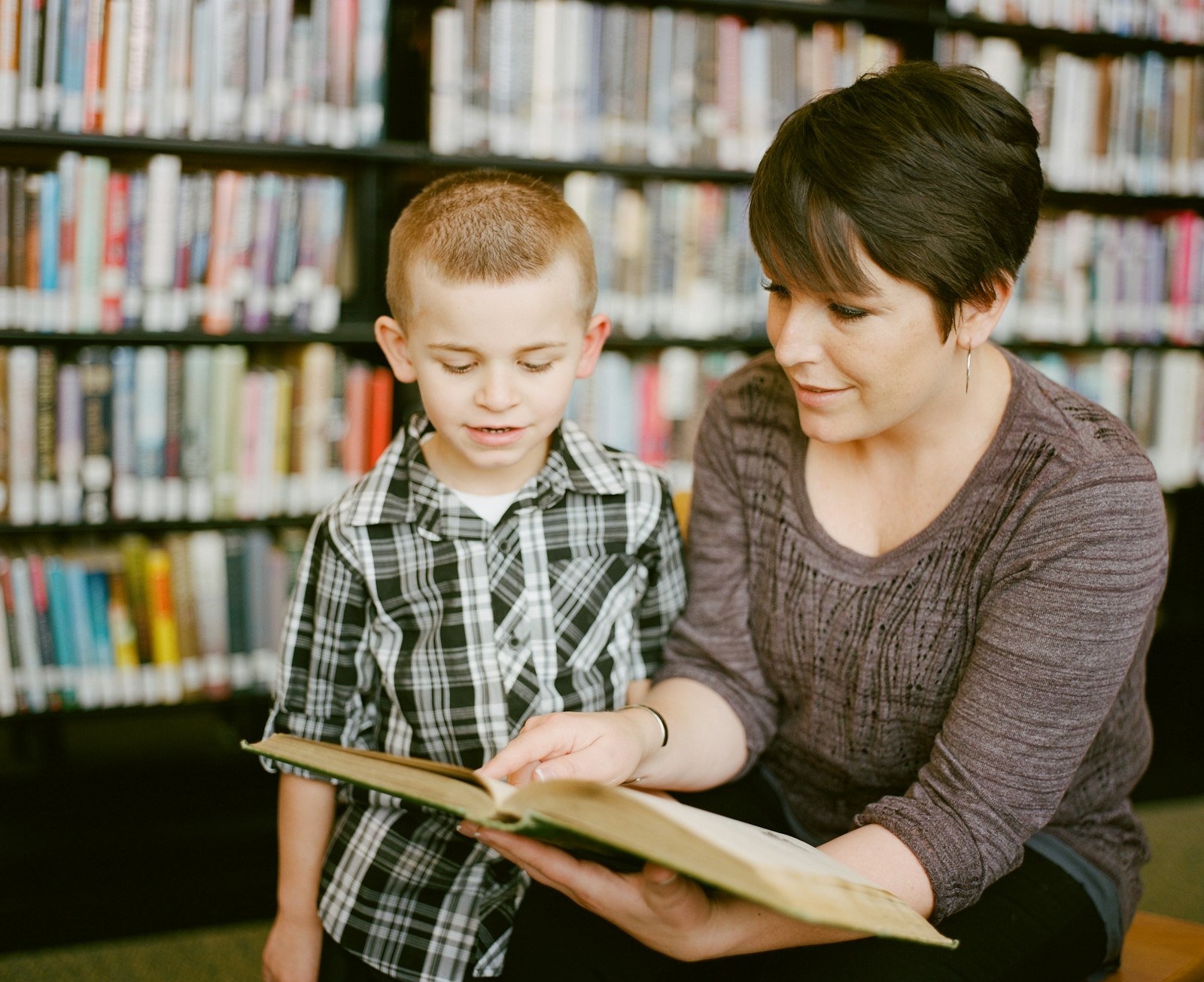
Literacy and Communication in Portuguese with Native Pedagogical Support
Ensure your child's literacy and fluent Portuguese in Thailand. Discover the online classes and native pedagogical support at Casa Brasil.
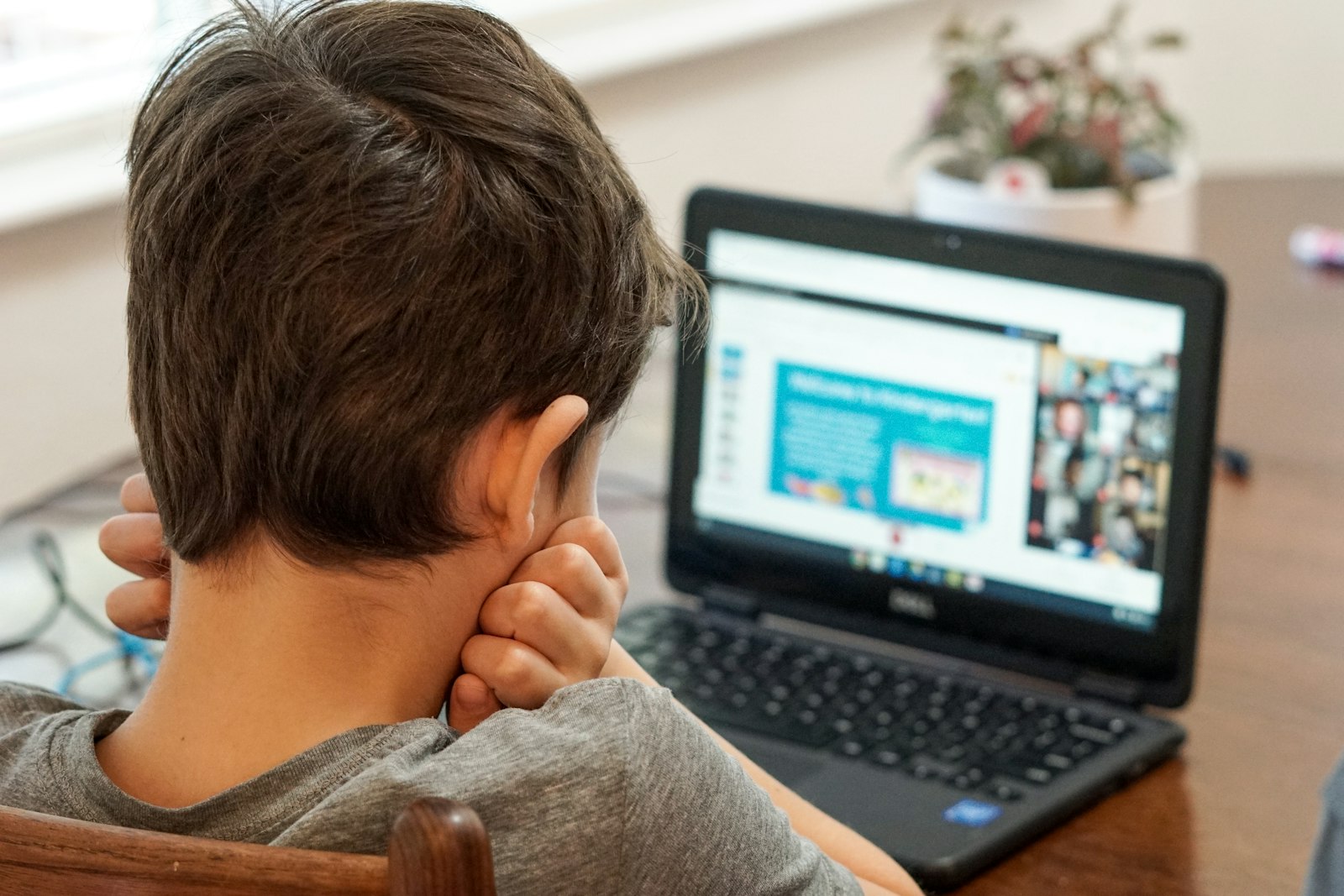
Beyond School Bureaucracy: Online Portuguese Classes for Brazilian Children in Thailand
Online Portuguese classes for Brazilian children in Thailand. Affectionate methodology with a native educator to develop fluency and living culture.